
Credit where Credit due?
One thing I’m kinda big on is proper credit. Or atleast, What I feel is proper credit.
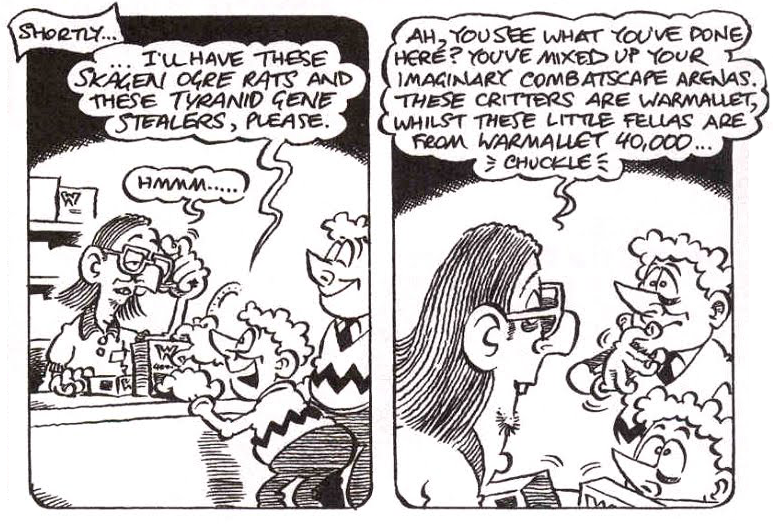
If you take this out of the gaming field, in the ancient past, Comic Books carried no credits on writers, artists or anyone else part from (sometimes) Company managers. When you look at it from a USA point of view, it gets more messy as there is a lot of… ehem, undue credit. Bob Kane famously got a deal with the company which became DC Comics so that he was the ONLY person credited on Batman, even though they did no art, writing or anything on the issues. Kane was known as a pretty bad artist, not the worse but not great, which is why he hired a whole lot of artists to draw for him, alot thinking they were only doing PART of the art, with Kane doing the rest. This is also common in Newspaper scripts in the USA. By the 10th year of Garfield, Jim Davis wasn’t drawing the strip which had his name, and only his name, on it. He would come up with the strip idea, do a break down of what is in each panel, someone else would then draw it, someone else ink it, someone else letter it, someone else colour (where needed) and then he would sign his name. On his follow up strip ‘U.S. Acres’ (called Orson’s Farm in the UK) a co-credit was given in the end, but the Cat was his.
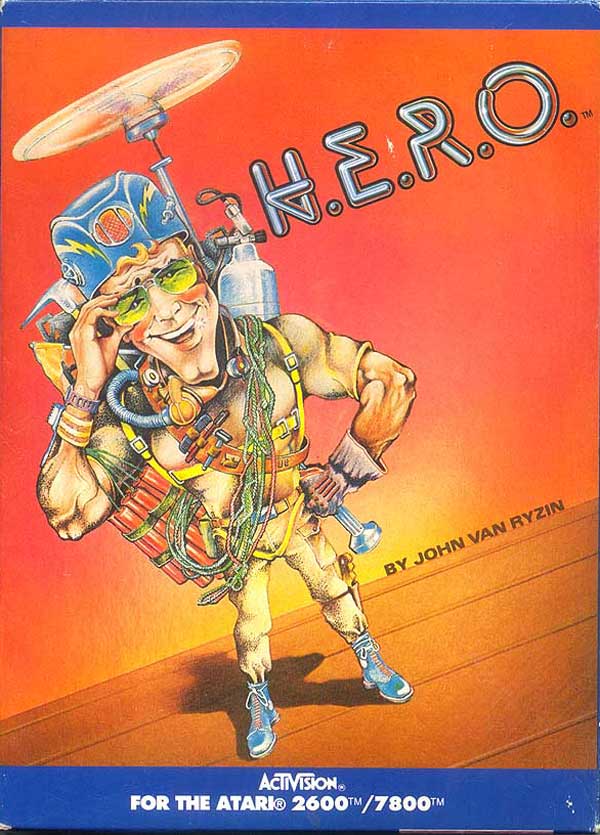
I’m not saying these people did anything illegal, or in some times, wrong, but I don’t think it was right at times. As the story goes, in 1976, Nolan Bushnell sold Atari Inc to Warner Communications. Even before that, some programmers, while not always credited or rewarded (partly cause they didn’t want a good programmer to get noticed and hired by a rival company), but it carried on after the sell off, but the management style and atmosphere of more ‘fun’ left the company, and it became more business.. while this did increase profits, it annoyed the staff more and they started to want to fight for some rights. Warner, and even more when Ray Kassar became boss, didn’t want to pay creators more as that would lower profits and he felt that the programmer was just an engineer and no more important to the final product then the guy who solders the chips onto the PCB and sticks the labels on the cart. A number of credits REALLY didn’t like this and conflicts started, evening up with a number of Top creators (in fact, out of the last years games released in 1978, 4 of the programmers had made the top 60% of the sales. So these four created what was pretty new at the time. A third Party developer for a console. They made Activison which would Credit the programmers and treat like like record labels treated musicians. You could get Royalties and credit. (a long way from what Activision has become.. which isn’t really it’s own company now anyway).
Now.. In comics, credits have gone along way. AT times, even comics like the Beano, which were pretty late to the credit game, gives some if not all credit where credit is due. But Miniatures appear to be kinda still in the dark ages.
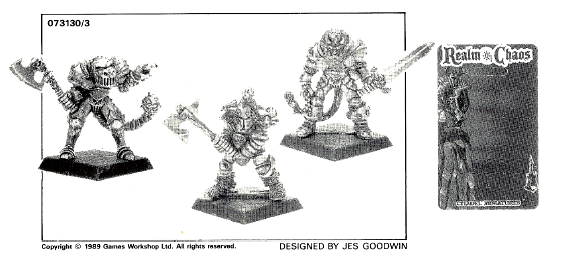
It’s a bit weird in a way.. for Along time, Citadel Miniatures didn’t give credit to the sculptors. Then they started to give credit. Boxed sets and catalogue pages would credit who the sculptor was. Then they kinda stopped again. If you look at board games like HeroQuest, no sculptor is credited even though this is right in a period where credit was given, but this might be due to the game being published by MB (oh and by the way Dave Andrews and Bob Naismith did the furniture and most if not all the Miniatures was atleast based on Jes Goodwin Sculpts tooled up for Plastic).
The state today? well.. If you go to Games workshop/Citadel/Warhammer website and look at the miniatures, sculptor credits appear missing, but as most appear to be digital sculpts, it can be tricky as a model may have many people working on it (someone did the main body, someone else did the head, someone else the accessories, then someone else blends it together.. of course, this happens in non-digital too as you can buy weapons which you can freely use but still, it’s much easier and more common in digital).
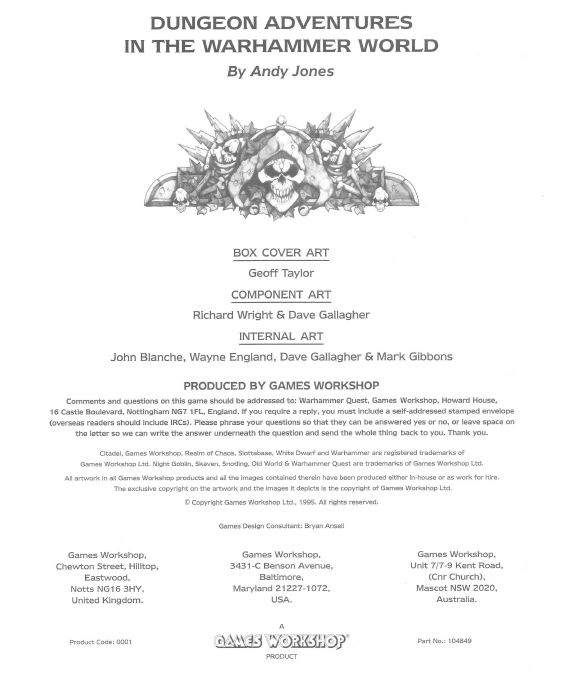
Looking around at various miniature manufactures appears to be a mixed bag. Some do Credit all (or most) of the sculptors, others don’t credit any. Some only credit when they get a ‘star’ name’ (John Pickford & Kev Adams are names you will see alot when they have sculpted a range for someone but there are others). When some companies have old miniatures in production, there can sometimes be a problem of IDing the sculptor as these may have gone through many hands since the original or just aren’t known in the first place due to bad record keeping. So it’s not always the companies fault and while I don’t like it, I won’t blame a company and refuse to deal with them just because they don’t credit the sculptor, but It’s something I like to see and know and I would much prefer a place to credit what is known with ‘unknown’ on the ones they don’t, then to just not list any credits at all.
So.. a bit randomly ramble but that’s kinda a thing I do so.. oh well ^_^ End of the day, I think sculptors should be credited way more then they are, more in line with alot of other creative fields but I guess nothing much is gonna change in the current world ‘of ‘never make one person feel important’.
