
Whatta lotta Slotta!
In the early days of metal miniatures for gaming, these minitures came normally in one of two forms. The most common was the solid base miniatures. At first, these had a flat piece of metal used as a base to allow the models to stand up, sometimes you would have a group on this base. It also made them easier to cast. The other, less common way was no-base minatures. With bigger scales these were fine, but with smaller scale, they would harder to cast and required a bit more work and also, you wouldn’t really stand them up. You had to attach them to some wood or scrap metal.
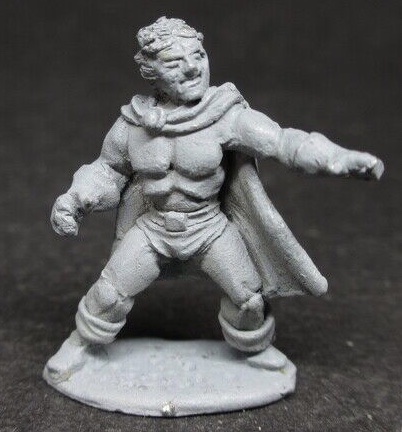
Over time, as the miniature gaming field started to move away from historical only type of gaming, to fantasty, Companies started to experitment with the bases. Solid bases started to have design. Sure you still get ones which are flat square or circle pices of metal but you also started to get ones which had more texture and design to them. At first, this was pretty basic but as time went, this became a bit more fancy.
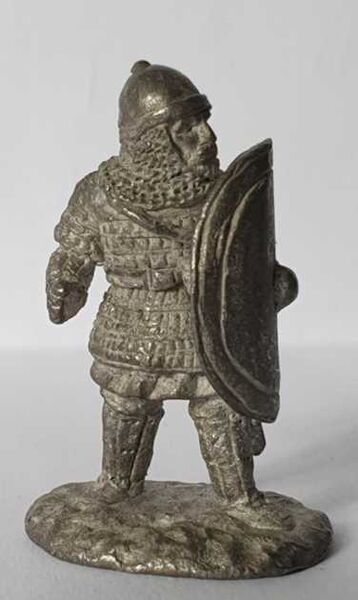
At first, the texturing was simple grass/mud like texture which allowed the base to be directly painted but still fairly basic. Over time, they became a bit more advanced with notable features and sometimes character name/type written on them.
Now, it’s generally believed that in 1984/5, Citadel released the first of a new base type which they called ‘Slotta-bases” (often mistakenly called ‘slotted bases’). They did re-issue older figures with these new bases. The system basically was simple. A rectangle ‘tab’ which often had the figure name/type and a copyright date or just maker. Newer plastic bases were created which had a slot in them so you could just (in theory) insert the figure into the base and bang, all done. This gave a number of advantages. First was it make a much stronger connection point between figure and base If you were using something to attach the figure onto. Often the solid bases were glued to another base to give a regular size for gaming. This made a fairly weak joint, but with the slotta tab, it is now a much stronger joint as it’s part of the metal figure itself. Another advantage was the ability to give figure information but in a way which didn’t stand out alot. The solid bases with Figure names meant no matter what, you pretty much always had a plaque with the figure name on the base. With that data on the Tab, it could be there but then hidden in the plastic base.
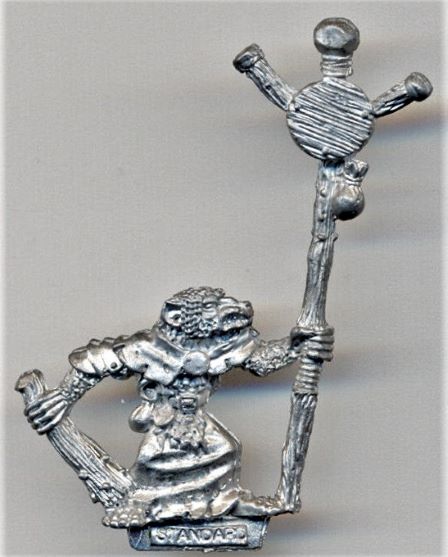
A personal view kinda says an advantage is alot of Solid base figures kinda had a bit of a blur between the base and the figures feet. Not always but more often then not. with the Tab, it had less material around the feet making it a bit better for keeping the distance. It also made decorating the bases a lot easier.
On the company side, I think it also reduce metal cost. Not by a lot but enough that when you cast up a set of 12 or so, you probably save the amount of metal to make another figure. Did they past this saving to the buyer? probably not directly but it would help with metal price increases.
Some information appears.. fuzzy on if it was 1984 or 1985, and just what was the first plastic base type (some say Hex, some say Square). So lets see what you can figure out. First, you can’t 100% go on what is sculpted into the base for copyright. More often than not, that was the year it was produced or sometimes, expected to be released (which would mean it was produced before). It’s well known in various fields that copyright dates are often a year before the item came out, though not always. This is because they get the copyright and then it takes time to get everything made and into production and then get them out.
White Dwarf was a good source of Citadel news and often previewed upcoming releases and stuff which could take some time to get released, or in some cases never released at all. For a 1984 release date, we can start by looking at 1984 WD issues. The first White Dwarf of 1984 was issue 49. It doesn’t mention them but does preview a new Citadel AD&D release which, while the photo looks like they might be slotta, they are solid base.
In Issue 60, cover dated December 1984, Ian Livingston gives this interesting introduction:
What is to become of metal gaming figures? That is the question on many people’s lips as we go to press, after the astounding trebling in the cost price of casting metal recently. Already, most figure manufacturers have announced price rises, and all have warned of more to come.
Plastic figures might be one answer. Citadel are remodelling their whole range to take on snap-on plastic bases and weapons immediately, and will be launching a full range of totally plastic 30mm figures in 1985. But the investment needed for such a venture is high, and well out of the reach of smaller manufacturers.
This is quite interesting. I haven’t included the third paragraph as while interesting (Metal figures may become a luxury at 60p each for a humanoid figure) it doesn’t related to this issue. What is seen is ‘snap-on plastic bases’. What will be later known as Slotta bases. and with the context, you can see how the advantage of being cheaper to product then solid metal bases really is pointed out front and centre.
In issue 63 (March 1985) it is started that Bryan Ansell of Citadel visited the WD offices and was talking about the new changes:
The Entire Citadel range is gradually to be totally replaced with new figures supporting plastic bases. When I first heard about this move some time ago I was a little sceptical but having seen them they are really pretty good, sturdy and practical..
In White Dwarf #64 we have the first letter about the new Slotta-bases and.. it wasn’t great:
Also, am I the only one who doesn’t like Citadel’s new Slotta-Bases? Although I realise that thier coming was inevitable, was this the best idea? I admit it wouldn’t be all that bad if they were the right size for Warhammer regiments instead of having compulsory skirmishers. But it they were smaller, that is to say the 20mmx20mm recommended in the ‘old testament of the gospel according to Priestley’, wouldn’t that be better?
This was by an Andrew Cannon of Perthshire (Hi if by any weird chance you find this). The reply by Editor Ian Livingstone :
Confused Warhammer fans will no doubt be happy to know that Slotta-Bases do conform to Warhammer frontages, there are just several sizes, including the standard 20mm x 20mm and 25mm x 25mm.
I have not included parts of either letter or reply which didn’t relate to this issue (moaning about newer figures being bigger like the new Lord of the Rings ones, which around 30mm compared to ‘true’ 25mm. yeah.. there was also alot of moans a bit later about figures from late 80s not being true size..
Talking about Citadel events, there is an interesting comment about citadel NOW having a plastic injection moulding equipment for their new Fighting Fantasy 60mm figures, which they will take full advantage of to make new plastic shields, weapons and possibly flags ang standards for normal 25mm figure range. they will also do figures which have lugs on their left arms to accept press-on plastic shields…. Interesting but unrelated? nope.. cause what else do they do with this new plastic making tools?
The recent introduction of Slotta-Bases was met with mixed feelings by many figure gamers, the most common criticism being the problems of integrating the new larger bases with existing figure collections. In response to this, Citadel have produced a variety of additional Slotta-Bases for cavalry and monsters as well as round and hexagonal bases, which will enable figures to be grouped together differently or used instead of counters in certain board-games.
Well.. that shoots down the ‘Hex Slotta-bases came first’ which I had seen repeated in some places.
The first Citadel Journal, dated Spring 1985 has a full page talking about Slotta-Bases in some detail and I’ll just put a couple of extracts of more note. They do comment on the Slotta-bases being a new idea which has been slowly happening to their metal miniatures for the last few months and has caused some interest in the field:
In the past, Citadel miniatures were cast with an integral metal base, and, indeed, many of our models are still made this way. However, as we re-mould our existing ranges and introduce new ones, the old style integral bases will be replaced by the new Slotta-bases. the new Slotta-base is made from a tough, textured plastic. They are of an appropriate size to accommodate the models, and, incidentally, the same size as recommended for use with warhammer – thus making it unnecessary to use card bases. Slotta-bases are ideal for displaying your painted models, and can be built up with scenic material if you wish.
Each Slotta-base has two weakened grooves set underneath the base. Use a screwdriver to push out one of the sections of grooving so that you have a groove on the top of the base into which you can fit the tab on the model. The two different weakened grooves allow you to position the model in one of the two ways on the base. Do not use the model itself to push out the groove, as the tab is delicate and can be easily broken.
There is also talk about the reasons to swap to this new system, basically the base being metal is about 10% of the metal cost but as well as saving the money with the rise in metal cost, it also had other benefits, some of which some might not agree. “They look far better than a metal base” is very much up for debate, where as things like allowing sculptors to use a “whole new range of positions and other features” and “bases are all a standard size” so they could “tie them in to the Warhammer game” are more known advantages. They even state that the square ones are first, but they will also start to introduce cavalry and monster bases, as well as circular and hexagonal ones. yet another strike against ‘hex’ came first rumour. They also point out that with the models being designed for Slotta-base, you can now use ANY figure for a chariot crewman or part of a diorama without having to hack away at the metal base and if you want to still use card bases, that is fine.
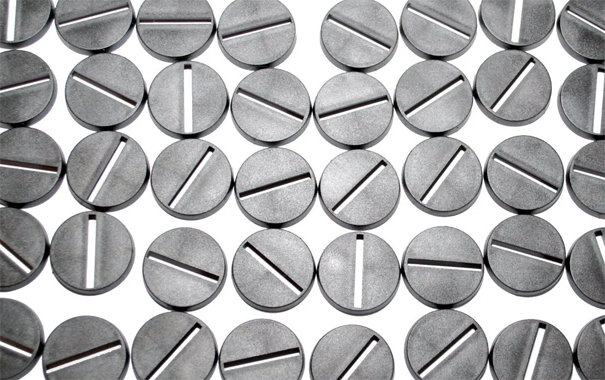
It is also interesting to note that the first ones they are selling are the ones with the dual punch-out slots. These allowed you to cut out which ever slot you wanted for either diagonal or horizontal mounting. It wasn’t really too long before these were replaced with pre-cut ones (or more, ones moulded with the cut out already done which saves plastic costs, but gives you limited options. These ones come in either diagonal or horizontal, though you can still find ones with optional punch-outs, they are just less common.
It didn’t really take long for other miniature makers to copy Citadels idea to a state that slotta-bases and figures with the tab have been the industry standard since the 90s. Now.. I’m pretty sure on this and I’m also pretty sure the law says any chance is lost now, but.. Citadel did seam to invent this system and never got a patent on it. With how much it’s used, they could have gotten a fair bit of money from it. However, It’s been too long so even if they could have gotten some legal protection/licensing from it, they have lost all chance now. I’m not even sure if it’s enough to be able TO get patent on it.
But it’s an interesting ‘what if’ aside. If they did get protective status, other makers would have three options. They could pay a license fee to Citadel to the rights to use it, which I think would have defeated the whole point of saving metal cost. The second option is to stick with solid bases. This would have meant they had no choice but to increase prices. Citadel would have been able to keep prices lower then the rivals and that would have given them a pretty strong advantage more then they did have, and more smaller companies would have gone under, or atleast gone under faster. But it would probably ALSO take down the manufacturers of bases.. There are quite a few companies which either just make plastic bases, or started production of these bases. In fact, finding a CITADEL branded plastic base from back in the day is far harder and pricier then just buying some new ones from D&G (an old UK company ‘Dice and Games’ who I think are no longer in the UK but there bases are kinda THE most common ones you will probably find).
The third option? move to a different system. They would have to try something to reduce metal costs without swapping to plastics (well, we are taking not swapping to plastics as a given in this what if case) so without the reduction from solid bases to slotta, How could they have done it? well, two things come to mind. The first is pegs. While Citadel did briefly try slotta on it’s bigger monsters like Ogres, Pegs were far more common and used in the end. To this, they had bases which had a number of round holes a person could drill out to fit the figure. It was like the slotta-base but not the same, and in fact used less metal. I’m not really aware of any other company using pegs before slotta, and it doesn’t seam to be as widely used these days, but it is still used and in fact, alot of plastic board games which have pre-built figures, or overly complex figures with bases often use pegs. Citadel would have had FAR less legal protection then on slotta and it would put the companies in a stronger position as they would use less metal and would thus put them into a better position in the price war.
This wouldn’t give some of advantages of Slotta and would be a weaker connection on the base. But at the same time, one problem with Slotta-bases is you have the big slot which needs to be hidden.. This isn’t a problem with pegging and is probably a BETTER format in the long run. I can see only really 2 downsides and one of them isn’t. The one that isnt a downside is when you are casting Slotta-base figures, you can use the tab itself as part of the pour channel. With Pegs, you would need to run 2 channels.. but that doesn’t really do much as the metal used on this channels can just be put back into the pot to melt down. The one I do see is you would need to do bases which have holes either like the 40mm bases Citadel did (probably 4 peg holes per base) which need to be drilled by the player, or always have 4 holes in the base. This also isn’t much of an issue really but I get the feeling that the 4 holes would be more annoying to gamers then the slot. There might also be an interesting point that the tab on a slotta-base is kinda solid. If you cut it off so you just have the two small feet on their own, they are FAR more likely to snap. Not that slotta figures can’t have problems with weak ankles, but two feet NOT jointed together have more chance then when they are joined.
Part of the same option would be to create there OWN new format. How would this go? I don’t know. other then Solid base, slotta-base or pegs, I can’t think of many other ways do to this
For a short while, Citadel did release metal slot-base bases but I’m not sure how long for as I can bet most people weren’t that interested in them.
